Quinoa Dosa: A Nutrient-Rich, Gluten-Free Alternative
This recipe comes straight from the heart, lovingly shared by a dear family member (you know who you are!). I dedicate this entire blog post to them as a token of appreciation. This versatile batter is not only perfect for making crispy dosas but can also be used as a delicious substitute for roti to make savory chillas. It’s equally fantastic for preparing soft idlis, fluffy dhoklas, or any other creative dish you choose. Truly, this batter is a game-changer in the kitchen!
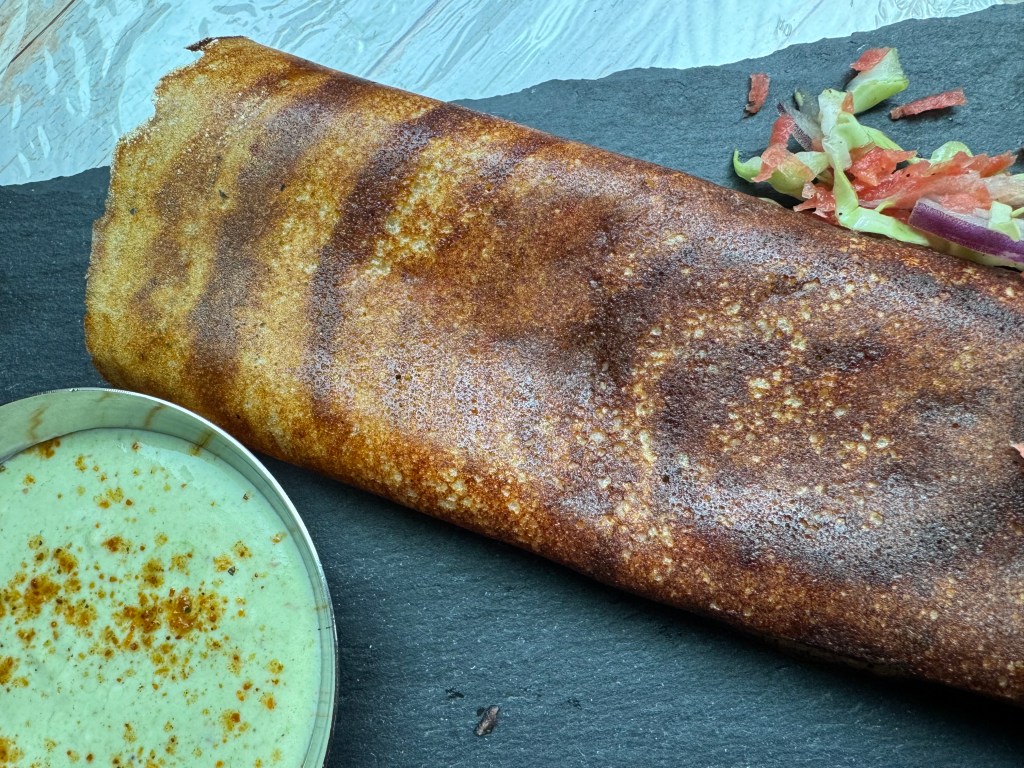
Eating quinoa dosa offers several health benefits due to the nutritional profile of quinoa and the lentils used in the batter. Here are some key benefits:
1. High in Protein
- Quinoa is a complete protein, meaning it contains all nine essential amino acids required by the body. This makes quinoa dosa a great option for vegetarians and vegans to meet their protein needs.
- The combination of lentils (moong dal, urad dal, toor dal, and masoor dal) also adds a good amount of protein, helping in muscle repair, growth, and overall body function.
2. Rich in Fiber
- Quinoa and the variety of lentils in the dosa batter provide a good amount of dietary fiber, which helps in regulating digestion and preventing constipation.
- Fiber also promotes a feeling of fullness, which can aid in weight management by reducing unnecessary snacking.
3. Gluten-Free
- Quinoa dosa is naturally gluten-free, making it a great option for people with celiac disease or those following a gluten-free diet. It’s a healthy, nutritious alternative to traditional wheat-based dosas or pancakes.
4. Low Glycemic Index
- Quinoa and lentils have a low glycemic index (GI), which means they cause a slower rise in blood sugar levels compared to high-GI foods. This helps in better blood sugar control, making quinoa dosa an excellent choice for people with diabetes or those looking to maintain stable energy levels.
5. Packed with Vitamins & Minerals
- Quinoa is rich in essential nutrients, including magnesium, phosphorus, manganese, and folate, which play a crucial role in bone health, heart health, and metabolic function.
- The lentils provide additional nutrients like iron, which is important for oxygen transport in the blood, and folate, which is crucial for cell growth and regeneration.
6. Supports Heart Health
- The fiber and antioxidants in quinoa and lentils can help reduce cholesterol levels and lower the risk of heart disease. Additionally, the healthy fats found in small amounts in quinoa contribute to heart health by reducing inflammation.
Ingredients:
- For the dosa batter:
- 2 cup Quinoa (rinse well)
- 1/2 cup Moong dal (Green split lentils)
- 1/2 cup Urad dal (split black gram, skinless)
- 1/2 cup Chana dal (pigeon peas)
- 1/2 cup Masoor dal (red lentils)
- 1-2 Green chilies (optional, for spice)
- 1 tsp Fenugreek seeds (methi)
- 1/2 tsp Salt (adjust to taste)
- 1 tsp Cumin seeds
- 1 inch ginger
- Choice of vegetables to add while blending
- Water (for soaking and blending)
- 1 tsp Oil/ghee (for cooking the dosas)
Equipment:
- A large mixing bowl
- A blender or wet grinder
- A non-stick or cast iron griddle (tava)
- A ladle for pouring the batter
- A spatula
Preparation:
Step 1: Rinse and Soak the Grains & Lentils
- Rinse the quinoa and lentils:
- Rinse 2 cup of quinoa and the mixed lentils (split moong dal, urad dal, chana dal , and masoor dal) under cold water.
- Put all the grains and lentils together in a large bowl.
- Add 1 tsp fenugreek seeds
- Soak the mixture:
- Fill the bowl with enough water to cover the quinoa and lentils.
- Let them soak for at least 8-9 hours or overnight for best results. This helps in softening the grains and aids in fermentation.
Step 2: Grind the Batter
- Drain the soaked ingredients:
- Once the soaking time is over, drain the water from the quinoa and lentils.
- Grind the mixture:
- Using a blender or wet grinder, start grinding the soaked ingredients in batches with green chili, cumin seeds ginger, salt and choice of veggies.
- Add a little water at a time to achieve a smooth, batter-like consistency. It should not be too thick or too runny; the texture should be like pancake batter.
- Fermentation: (TOTALLY OPTIONAL)
- Pour the ground batter into a large bowl.
- Cover the bowl with a clean kitchen towel and let it ferment for 8-12 hours or until it doubles in size and shows some air bubbles. Fermentation depends on the room temperature, so it may take longer in colder conditions.
Step 3: Prepare the Griddle (Tava)
- Heat the griddle:
- Heat a non-stick or cast iron tava (griddle) on medium-high heat.
- Grease the griddle:
- Once the griddle is hot, lightly grease it with a few drops of oil using a cloth or paper towel.
Step 4: Make the Dosa
- Check the batter consistency:
- Once the batter has fermented, check its consistency. If the batter is too thick, add a little water to thin it out. The batter should be pourable but not too runny.
- Pour the batter:
- Pour a ladle of the batter onto the center of the hot griddle.
- Spread the batter in a circular motion from the center outwards to form a thin, even dosa. You can use the back of the ladle for even spreading.
- Cook the dosa:
- Drizzle a small amount of oil around the edges of the dosa. You can also drizzle a bit of oil on top if you like it crispier.
- Let the dosa cook on medium heat for 2-3 minutes until the edges start to lift and become golden brown.
- Flip the dosa (optional):
- If you like your dosa crispy, you can flip it over and cook the other side for another minute. However, many prefer to keep it open-faced.
- Serve:
- Once the dosa is cooked and crispy, gently lift it off the griddle with a spatula and serve immediately.
Step 5: Repeat with the Remaining Batter
- Make more dosas:
- Continue pouring and spreading the batter to make more dosas. Don’t forget to grease the griddle lightly each time.
Step 6: Serve and Enjoy
- Serving Suggestions:
- Serve the quinoa mixed lentil dosa hot with coconut chutney, tomato chutney, sambar (lentil stew) or quick yogurt dip (my own creation)
Tips:
- Fermentation: For quicker fermentation, keep the batter in a warm place (like an oven with the light on or near a heater).
- Texture: If the batter is too thick after fermentation, add water gradually until you reach the desired consistency.
- Variation: You can also add finely chopped vegetables (carrot, onions, or spinach) to the batter for added flavor and nutrition. Or add chopped vegetables as stuffing to dosa
- Storage: Leftover batter can be stored in the refrigerator for up to 2 days. Make sure to bring it to room temperature before making dosas.
This Quinoa Mixed Lentil Dosa is not only nutritious but also a great option for those looking for a gluten-free, high-protein breakfast or snack!


 Mitahara - by Mansi Desai
Leave a comment